In this article
Start with the biggest suspect: your air conditioner
In a South Florida home, cooling isn't one appliance among many — it's the main event. Through a long summer, the AC commonly accounts for the largest share of a home's electricity use, often around half the bill or more. That's actually good news when a bill spikes: it means the most likely culprit is one system, and it's a system that responds well to maintenance. When an AC has to fight dirty components and leaking ducts, it doesn't cool less — it just runs longer to deliver the same comfort. Longer runtimes are exactly what a higher bill looks like.
The HVAC causes we find most often
- A dirty evaporator coil. The coil is where heat leaves your home's air. A layer of grime insulates it, so the system runs longer cycles to move the same heat. Coil condition is one of the most overlooked efficiency factors in Florida homes.
- Duct leakage. Cooled air that spills into the attic through separated joints is air you paid to cool, delivered to the one place you don't live. Older duct systems can leak a startling amount of their airflow.
- Buildup restricting airflow. Loaded filters, dust-lined ducts, and a dirty blower make the fan work harder and move less air — longer cycles, higher consumption, worse comfort.
- Low refrigerant or an aging system. Real possibilities, and part of a proper diagnosis — but they should be confirmed by inspection, not assumed by a salesperson.
- The thermostat war. Every degree lower costs runtime. A household quietly drifting from 76 to 72 over a hot month will see it on the bill.
And the honest non-AC list
Not every high bill is the AC, and any company that tells you otherwise is selling. Pool pumps, electric water heaters, older refrigerators, and a house full of guests all move the number. One more trap: compare kilowatt-hours, not dollars — rate changes can raise a bill even when your usage is flat. If your usage jumped while your habits didn't, the AC moves to the top of the suspect list.
What you can check yourself
- Compare usage year over year. Your utility bill shows kilowatt-hours. Same month last year vs. this year separates "rates went up" from "my home is using more."
- Change the filter. A clogged filter is the cheapest efficiency problem in the house to fix, and in a Florida summer it clogs faster than most people expect.
- Feel the vents. Weak airflow at several vents suggests restriction or leakage worth inspecting.
- Check attic ductwork you can see. Disconnected or crushed runs near the attic hatch are sometimes visible with a flashlight — and are pure loss.
- Note the runtime. A system that rarely cycles off on a normal day is telling you it's fighting something.
When to call a professional
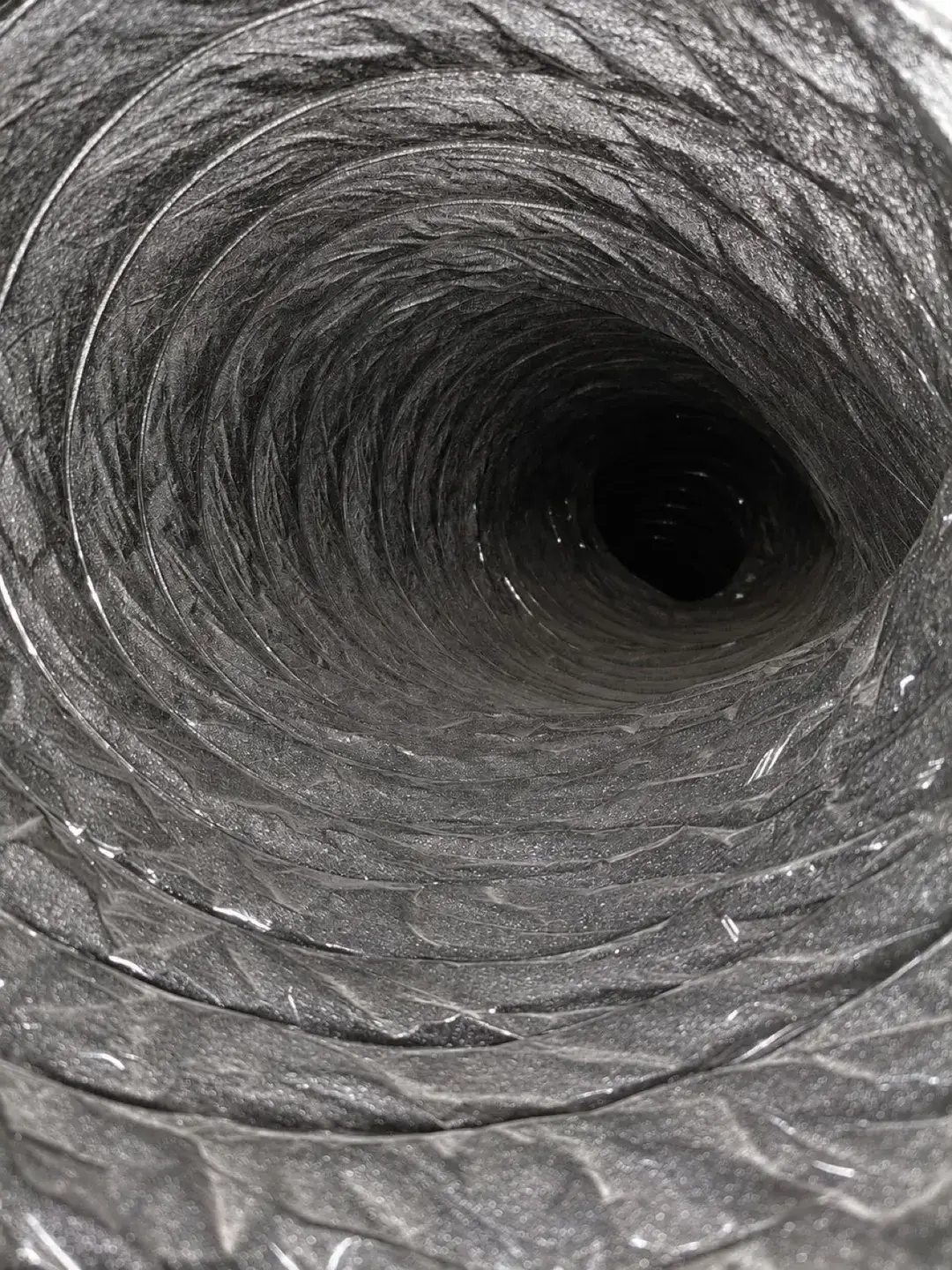
If your usage climbed without a lifestyle change, if the system runs nearly nonstop, or if some rooms never quite cool while the bill soars — that's an efficiency problem with a physical cause. The right move is an inspection that looks at the coil, the airflow, and the duct system's integrity together, because these causes compound: a dirty coil plus leaking ducts can make a healthy system behave like a failing one.
What our inspection covers
Our free inspection examines the efficiency chain end to end: coil and blower condition, airflow at the vents, a camera look inside the ducts for buildup, and the visible duct runs for leaks and disconnections. We show you what we found, explain what it's likely costing you, and give you one exact price before any work begins. If your system is clean and tight and the bill culprit lives elsewhere, we'll say so — we'd rather be the company that told you the truth.
Frequently asked questions
How much of a Florida electric bill is the air conditioner?
It's usually the single largest share — commonly around half of a home's electricity use in the summer months, and more during heat waves. That's why AC efficiency problems show up so dramatically on the bill: even a modest percentage loss in a system that big is real money every month.
Can dirty air ducts raise my electric bill?
They can contribute. Buildup in the ducts and on the blower restricts airflow, so the system runs longer to cool the same space. The bigger duct-related loss is usually leakage — cooled air escaping into the attic through separated joints. An inspection can tell you which one your home is dealing with.
Can a dirty AC coil really increase energy use?
Yes. The coil's job is to transfer heat out of your home's air, and a layer of dirt and grime insulates it. The system compensates by running longer cycles. A clean coil transfers heat the way it was designed to, which is why coil cleaning often improves both comfort and bills.
Why is my electric bill higher than my neighbor's similar home?
Usually a stack of small differences: duct leakage, coil condition, filter habits, insulation, thermostat settings, and how much of the day the home is occupied and cooled. Two identical houses can have very different duct systems after twenty years of attic heat and settling. Comparing kilowatt-hour usage, then inspecting the system, finds the real reasons.
What should I check before calling a professional about a high bill?
Compare your kilowatt-hour usage to the same month last year, change the filter, confirm vents are open and airflow feels strong, and look for any visible disconnected ductwork in the attic. If usage is up and the system runs nearly nonstop after those checks, it's time for an inspection — ours is free.