In this article
If your air conditioner only gets attention when it stops cooling, you are maintaining it the expensive way. In South Florida, an AC is not a seasonal appliance - it runs most of the year, in heavy humidity, often in salt air. That workload rewards a little regular care and punishes neglect faster than almost anywhere else in the country. This guide explains what a real AC tune-up includes, why Florida homes do best with two visits a year, what skipping actually leads to, and the small jobs you can handle yourself between visits.
Why Florida ACs need more maintenance than up north
Three local facts drive everything else in this guide:
- Runtime. A system in Broward or Palm Beach may run for most of the year, racking up far more operating hours than the same unit in Ohio or New York. Hours are what wear parts out.
- Humidity. Your AC is also your home's dehumidifier. Every gallon of water it pulls from the air runs through the coil, drain pan, and condensate line - a warm, wet path where algae and biofilm grow fast enough to clog a drain line in a single season.
- Salt air. Homes near the coast - and in South Florida, that is most of us - breathe salt-laden air that corrodes outdoor coils and electrical connections years faster than inland air does.
None of this is a reason to panic. It is a reason for a schedule.
What a real AC tune-up includes: the checklist
A proper maintenance visit is a full health check, top to bottom. Here is the checklist our technicians work through, and the one you should expect from any company you hire:
- Filter check. A clogged filter strangles airflow and makes every other part of the system work harder.
- Full system inspection of the air handler, coil, blower, duct connections, and outdoor unit, documented with photos you get to keep.
- Coil and blower condition check. Buildup here is the silent efficiency killer. If a deep cleaning is needed, you see the photos and get an exact price first. (Maintenance checks the coil; cleaning is the deep wash itself - the difference is explained in our cleaning vs. maintenance guide.)
- Drain line flush. The condensate line is flushed clear, and the drain pan and float switch are checked. This one step prevents the most common Florida AC disaster: a clogged line backing water into your home.
- Thermostat and controls check, so the temperature you set is the temperature you actually get, and the system cycles the way it should.
- Electrical and safety check. Connections are inspected and capacitors tested. Capacitors weaken gradually in the heat, and a weak one is the classic reason a system dies on the first brutal day of summer.
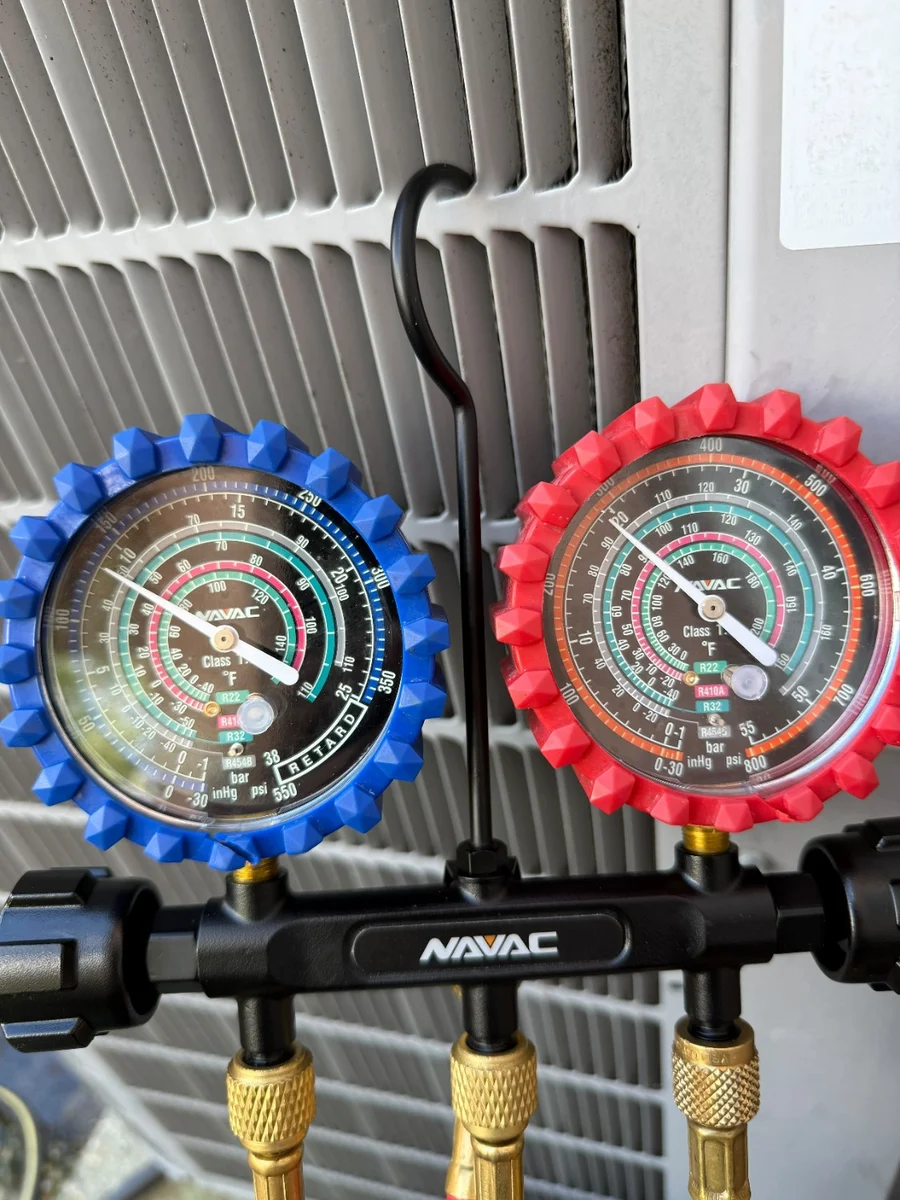
- Performance check with professional gauges, confirming the system is cooling the way the manufacturer intended.
- Honest written report with photos - what was checked, what was found, and what, if anything, we recommend. Nothing is done without your say-so.
Why twice a year: the spring and fall rhythm
The classic Florida schedule is a visit in spring, before the long hot season loads the system, and a visit in fall, after that season has done its work. Spring catches the weak capacitor and the slow drain before they fail under load. Fall clears the algae, dust, and wear the summer left behind, and it is the visit that sets your system up to rest - and to be ready early the next year, because you know Florida spring arrives fast.
Who genuinely needs both visits? Older systems, homes with pets, anyone with allergies, coastal homes breathing salt air, and snowbird homes that sat closed through the summer. A newer system in a low-dust home can often do well on one thorough visit a year - the honest minimum for any Florida AC. What no Florida system should do is go years between checkups.
What happens if you skip maintenance in Florida
Skipping is not saving; it is deferring, usually into a worse month. The failures we see most often trace back to skipped checkups:
- Water damage from a clogged drain line. Algae builds quietly until condensate has nowhere to go. Then it goes into your ceiling, walls, or flooring instead.
- A no-cool breakdown on the hottest weekend of the year. Capacitors and connections rarely fail in mild weather; they fail under maximum load, which is exactly when every AC company in South Florida is booked solid.
- Slow efficiency creep. A dirty coil, a slightly low charge, and tired airflow do not stop the system - they just make it run longer to do the same job, and you pay for it on every electric bill.
- A shorter system life. Strain compounds. Parts that run hot and long wear out early, and the compressor - the most expensive part of the system - suffers most. Our guide to how long an AC lasts in Florida shows what that costs in years.
- Warranty headaches. Many manufacturers expect documented regular maintenance when a major warranty claim is filed. Keeping your reports is cheap insurance.
Between visits: your monthly 10-minute checklist
You do not need tools or training for the homeowner half of maintenance. Once a month in cooling season:
- Check the filter. If it looks grey and fuzzy, replace it. In summer, most South Florida homes need a fresh filter every 1 to 2 months, sooner with pets.
- Pour a cup of vinegar down the condensate drain line access point to slow algae growth between professional flushes.
- Walk the outdoor unit. Keep plants, mulch, and debris at least a couple of feet away on all sides so it can breathe. Rinse the coil gently with a hose if it is visibly dusty - never a pressure washer.
- Look at the air handler. Any water in the pan area, rust streaks, or a musty smell when the system starts is worth a call, not a wait.
- Listen. New buzzing, rattling, or grinding is the system asking for help while the fix is still small.
How long it takes and what it costs
A maintenance visit takes about an hour for most homes. The cost depends on the system and its condition, so we confirm your exact price before we begin - no surprises and no obligation, and no maintenance-plan or subscription terms to untangle later. For a closer look at the numbers, see our breakdown of how much AC maintenance costs. You book a visit when you want one, and the written report you keep is your record for warranty and resale.
Ready to get your system on a healthy rhythm? Book through the form on our homepage or call (954) 687-9356. We serve Broward, Palm Beach, and Miami-Dade, seven days a week, 7 AM to 8 PM - and we will show you exactly what we find, in photos, before you decide anything.
Frequently asked questions
How often should an AC be serviced in Florida?
At least once a year. South Florida systems run almost year-round in heat and humidity, so they collect buildup and wear faster than systems up north. Older systems, homes with pets, coastal homes exposed to salt air, and anyone with allergies benefit from a checkup twice a year - once in spring and once in fall.
What is included in an AC tune-up?
A full inspection of the air handler, coil, blower, and outdoor unit; a condensate drain line flush with a pan and float switch check; thermostat and controls verification; an electrical and safety check of connections and capacitors; a performance check with professional gauges; and an honest written report with photos. If anything needs cleaning or repair, you get one exact price in writing before work begins.
How long does an AC maintenance visit take?
About an hour for most homes. If the technician finds something that needs attention - a coil that needs cleaning, for example - you will see the photos, get an exact price, and decide whether to handle it in the same visit or schedule it.
Can I do AC maintenance myself?
Some of it, yes: changing the filter, keeping the outdoor unit clear, and keeping an eye on the drain line are perfect homeowner jobs, and our monthly checklist below covers them. The parts that need a technician are the ones that protect you most - refrigerant performance readings, electrical testing, and a proper drain flush - because they take gauges, meters, and a trained eye for early wear.