In this article
First, some calm context
In South Florida, mold spores exist in the air of every home, every day — they're part of the outdoor environment, and they drift indoors constantly. So "there is mold in your duct system" is not, by itself, a disaster headline. Ducts in a humid climate will almost always show some microbial presence when you look closely. What matters is how much growth there is, where it is, whether it's actively spreading, and whether it's affecting your air and your family's comfort. This page is the measured version of the topic: what we actually look for, what's genuinely a problem, and what isn't worth panicking — or paying panic prices — over.
What's usually normal
- Light dust with minor surface discoloration near vents in an older, never-cleaned system. Dust gets damp, spots appear — a cleaning issue, typically, not a health emergency.
- A faint musty note at startup after the system has been off during a humid stretch. If it clears quickly and doesn't persist, it's often just moisture in settled dust.
- Condensation on or near vents during peak humidity. Cold air meeting humid room air sweats — physics, not necessarily growth.
Normal doesn't mean ignore it forever. It means the fix is proportionate: a thorough cleaning and better moisture habits, not a five-alarm remediation project.
What is not normal — and deserves attention
- A persistent musty odor that doesn't fade after the system has run a while, especially one getting stronger over weeks.
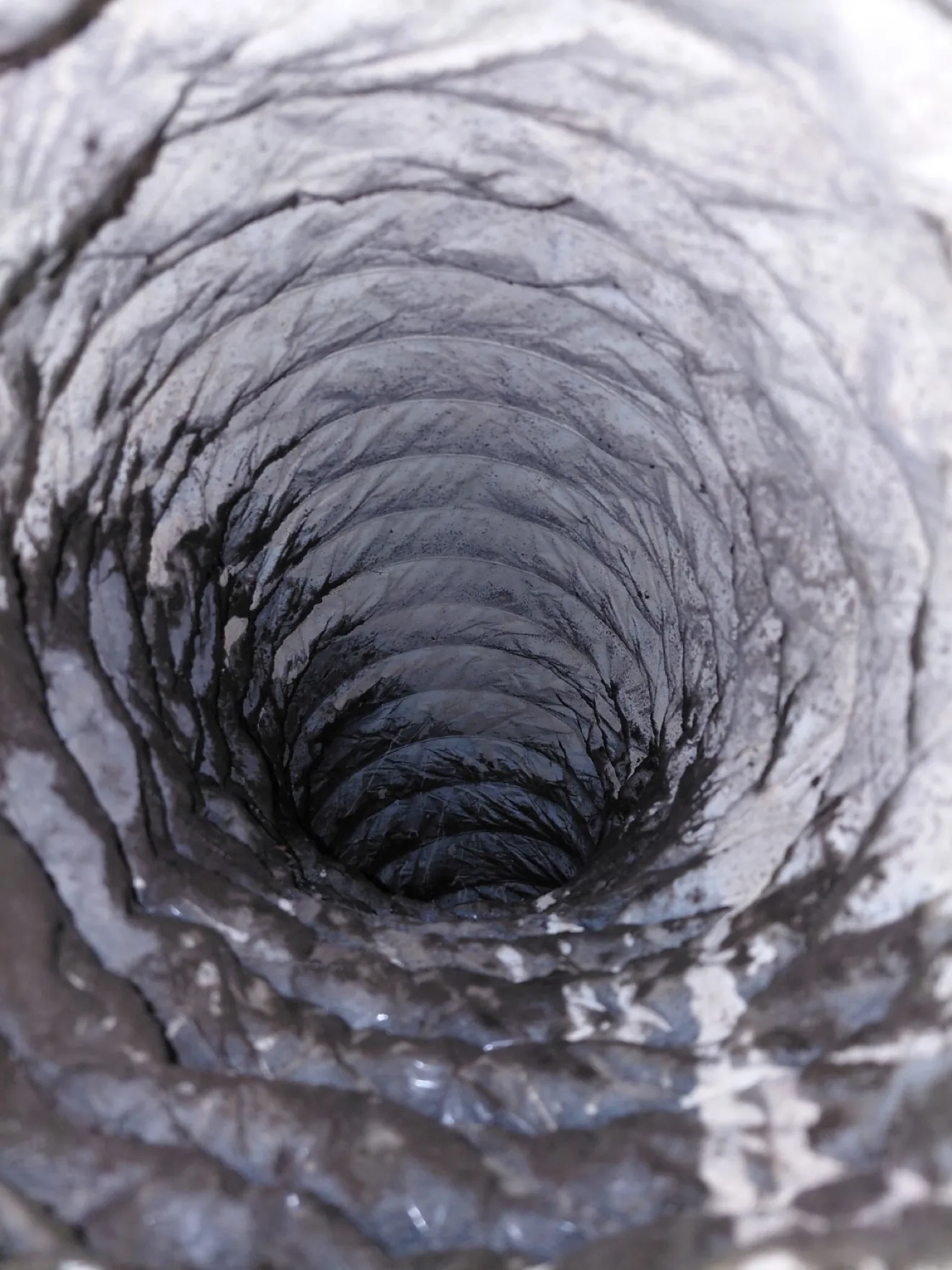
- Visible fuzzy or spreading growth inside the ductwork or at multiple vent openings — colonies, not specks.
- Growth that returns quickly after cleaning. That's the signature of an active moisture source feeding it.
- A history of water intrusion — a roof leak, a flooded air-handler closet, a condensate overflow — near the duct system.
- Symptoms that track the home: congestion, sneezing, or headaches noticeably worse at home than away, particularly for family members with asthma or allergies.
The honest word on mold testing
Homeowners often ask us whether they should pay for a mold test before doing anything. Here's the honest answer we give our own customers: for duct systems, air sampling has real limits. Spore levels swing dramatically hour to hour — with the weather, with the system running or idle, even with a door left open — so a single test is a snapshot that can look alarming or reassuring mostly by luck. It also can't tell you where the growth is, and you can't clean a test result.
What actually drives good decisions is a visual inspection: a camera inside the ducts shows the growth, its extent, and the moisture conditions sustaining it. If a situation genuinely needs laboratory testing or involves walls, ceilings, or structural materials, that's the territory of a Florida-licensed mold assessor and remediation company — and a reputable company will tell you so rather than sell you a test you don't need.
The remediation path for duct systems
- Inspect and show you. Camera footage of what we found, where, and how extensive it is.
- Clean the system thoroughly. Physical removal of growth and contaminated buildup from the ducts — because dead or alive, the material itself shouldn't stay in your airstream.
- Sanitize. Antimicrobial treatment of the cleaned ductwork to address remaining spores and discourage regrowth.
- Fix the moisture story. Clear the condensate drain, address standing water at the air handler, and identify why humidity is feeding growth. Skip this step and the growth returns — whoever cleans it.
- Consider a UV light. A UV lamp in the air handler continuously works on the coil and nearby surfaces where growth starts. It's prevention, not magic — and we'll frame it that way.
One boundary we state plainly: we clean and sanitize duct systems. We are not a mold remediation company — mold in walls, ceilings, or structural materials belongs with a Florida-licensed mold remediation company, and if that's what you have, we'll tell you.
Prevention: keeping it from coming back
- Manage indoor humidity. Aim to keep it under about half saturation — your AC does most of this work when it's running properly and sized right; long idle stretches in a closed-up house are when humidity wins.
- Change filters on schedule. A loaded filter restricts airflow, lets the coil run colder and wetter, and feeds the cycle.
- Keep the condensate drain clear. A slow drain means standing water at the air handler all summer.
- Don't close up a damp house. Snowbirds and travelers: a house sealed tight with no air movement in August is a mold incubator. A dehumidifier or a smart thermostat schedule is cheap insurance.
Frequently asked questions
How do I know if there's mold in my air ducts?
The reliable signs are a persistent musty odor when the system runs, visible growth at vent openings or inside the ducts, and growth that keeps returning. But dust can look like mold and mold can hide where you can't see it — which is why the real answer comes from a camera inspection inside the ductwork, not from peering through a vent with a flashlight.
Do I need a mold test for my air ducts?
Usually, no. Air samples swing wildly from hour to hour, so a single test often tells you less than it costs — and it can't locate the growth or clean it. A visual inspection shows what's actually there and where. Testing has its place for structural or whole-house mold concerns; that's handled by a Florida-licensed mold assessor, and we'll point you that way if your situation calls for it.
Is any mold in the ducts an emergency?
No. In South Florida's climate, some microbial presence in an older duct system is common and manageable — typically a cleaning-and-sanitizing job, not an emergency. What deserves prompt attention is extensive visible growth, a strong persistent odor, a known water intrusion, or symptoms that are clearly worse at home — especially for anyone with asthma or allergies.
Can Fair Air Solutions remediate mold in my walls or ceilings?
No — and we'd rather tell you that up front. We clean and sanitize duct systems, including mold growth inside the ductwork itself. Mold in walls, ceilings, or structural materials requires a Florida-licensed mold remediation company. If our inspection finds the problem extends beyond the ducts, we'll tell you honestly and that's the call to make.
How do I keep mold from growing back in my ducts?
Control the moisture: keep indoor humidity in check, change filters on schedule, keep the condensate drain flowing, and avoid leaving the house closed and stagnant through humid months. A UV light in the air handler can help protect the coil area between cleanings. Growth feeds on moisture — take away the moisture and you take away the problem.