In this article
The two-day dust problem
You clean on Saturday. By Monday, the dark furniture has a gray film again, the ceiling fan blades are fuzzy, and sunlight through the window shows a glitter of particles in the air. If that cycle sounds familiar, the dust probably isn't coming from where you think. Yes, some dust is normal life — skin, fabric fibers, tracked-in grit. But a house that re-dusts itself in days is usually circulating dust from a hidden reservoir: its own duct system.
Where the extra dust actually comes from
- Duct leakage — the big one. Return ducts with gaps and separated joints don't just pull air from your rooms; they pull it from the attic and wall cavities too. Attic air carries insulation fibers and years of settled dust, and your system delivers it to every room, every cycle.
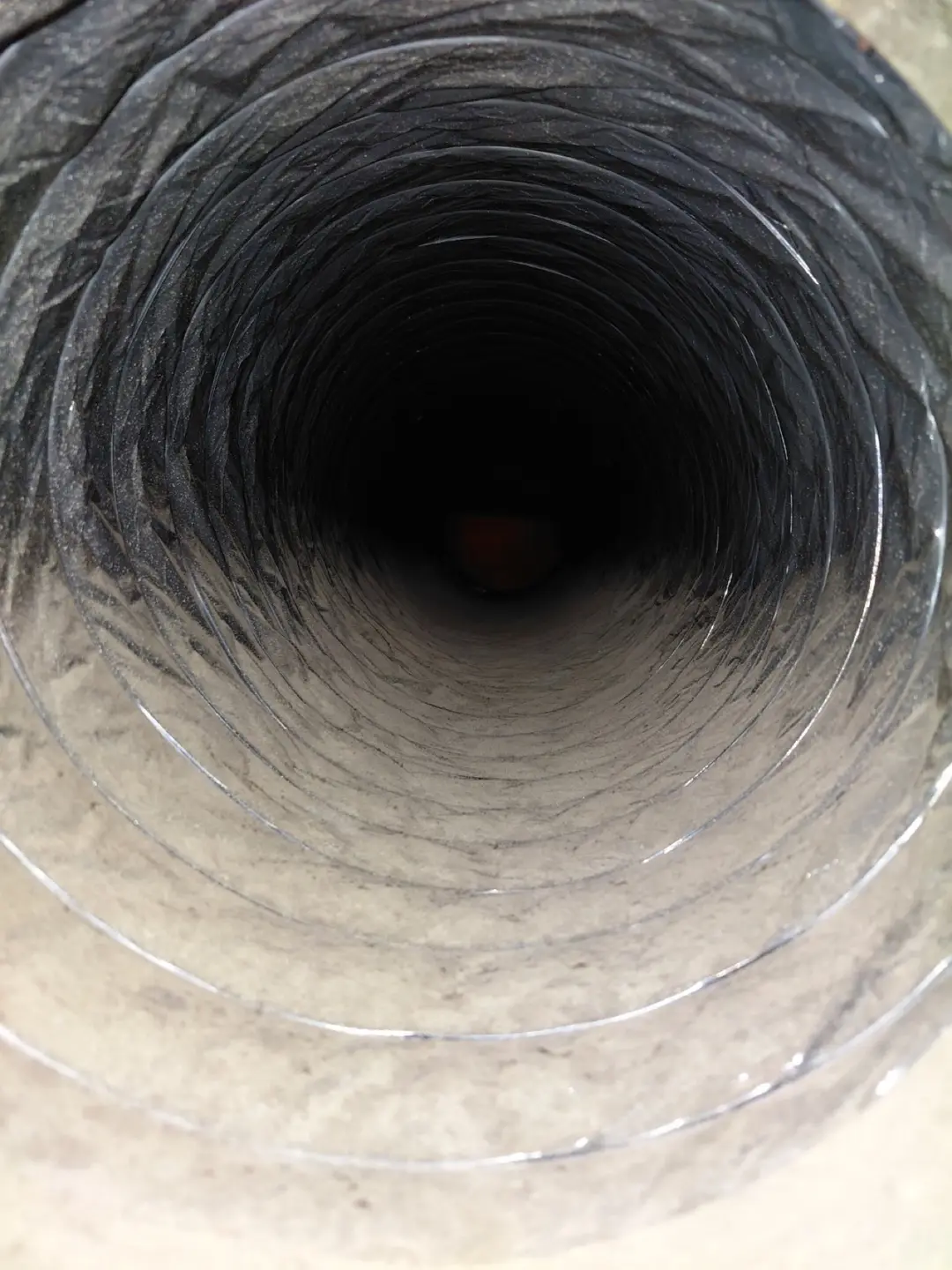
- Buildup inside the ducts. Ducts that haven't been cleaned in many years hold a lining of dust that the airstream constantly disturbs and redistributes.
- A filter that doesn't fit — or doesn't filter. A filter with gaps around the frame lets air bypass it entirely. A filter that's too restrictive or clogged also forces air to find other paths, often through leaks.
- Recent renovation. Drywall and construction dust migrate into the duct system during remodels and keep recirculating long after the contractors leave.
- Life itself. Pets, carpeting, open windows during pollen season, and a busy household all add their share. In Florida, pollen and humidity seasons keep the background level high.
What the streaks around your vents are telling you
Look at the ceiling and wall around your supply vents. Faint gray or black streaking in a fan pattern is the duct system's signature: it means air is escaping around the vent boot instead of only through it, and it's depositing what it carries on the surface as it goes. Streaks don't prove your ducts are filthy — but they do prove air is moving where it shouldn't, which is the same family of problem.
What you can check yourself
- Check the filter's fit. It should sit snug in its slot with no visible gaps at the edges. If it rattles or you can see around it, dusty air is bypassing it.
- Time the dust. After a thorough cleaning, note how many days pass before surfaces film over again. Two or three days points to an active source, not normal settling.
- Inspect the returns. Return grilles caked with dust — and dust streaks on the wall around them — suggest the return side is pulling hard and possibly pulling from unintended places.
- Look while the system runs. Hold a tissue near attic hatches and return frames; movement hints at air paths that shouldn't exist.
When to call a professional
If the dust returns within days despite a well-fitting, regularly changed filter, the source is inside the system — buildup in the ducts, leaks pulling in attic air, or both. No amount of surface cleaning reaches that. It's also worth a call when dust is paired with musty odors, visible vent streaking, or allergy symptoms that flare at home: the inspection that finds a dust source checks for all of these at once.
What our inspection covers — and what actually fixes it
Our free inspection puts a camera inside the ductwork so you can see the buildup level yourself, checks the return side and accessible joints for leakage, and looks at the filter fit and blower condition. The fix depends on what we find: a full duct cleaning when the reservoir is the problem, attention to the leaks and returns when bypass is the problem, and an honest conversation if the ducts turn out to be fine and the dust is coming from somewhere else. One exact price before any work begins, and photos before and after so the improvement is documented, not promised.
Frequently asked questions
Why does my house get dusty again so fast after I clean?
Because the source is still active. If dust films over surfaces within two or three days of a thorough cleaning, something is continuously supplying it — most often the duct system, either recirculating years of buildup or pulling dusty attic air in through leaks in the return side. Surface cleaning can't keep up with a supply that runs every time the AC does.
Can dirty air ducts really be making my house dusty?
They're one of the most common causes we find. Ducts accumulate a lining of dust over the years, and leaking return ducts add attic dust and insulation fibers to the stream. That said, ducts aren't the only possible source — pets, renovation residue, and filter problems contribute too — which is why an inspection looks at the whole picture before recommending anything.
What do black or gray streaks around my vents mean?
Streaking around a vent usually means air is escaping around the edges of the vent connection and depositing dust on the ceiling or wall as it passes. It points to a sealing or leakage issue at that connection — worth including in an inspection, since the same leakage wastes cooled air as well.
Will a better air filter solve my dust problem?
A well-fitting filter, changed on schedule, helps a lot — and it's the right first move. But a filter only cleans the air that passes through it. If the system is pulling in attic air through leaks, or the ducts themselves hold years of buildup downstream, the dust keeps coming. Filters manage sources; they don't remove them.
How often should air ducts be cleaned in Florida?
For most South Florida homes, every two to three years is a reasonable rhythm, sooner after renovations, with heavy pet dander, or when dust and odor problems show up. The honest answer depends on what an inspection finds inside your ducts — which is why ours starts with a camera, not a calendar.