In this article
The short version
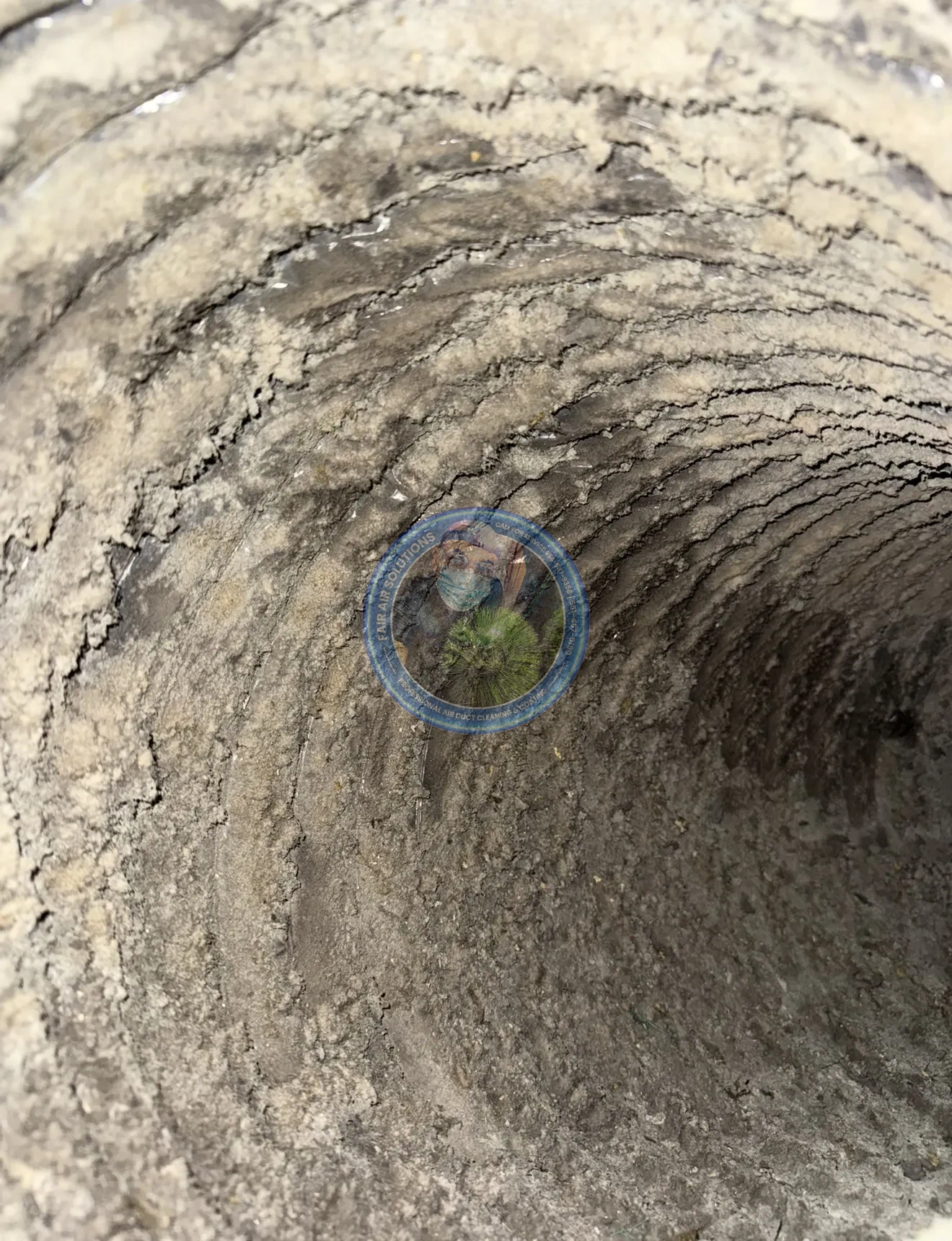
Think of it as a category and one of its members. "Microbial growth" means living microorganisms growing on a surface - any of them. "Mold" is a specific group within that category: fungi that grow in multicellular filaments and reproduce with spores. Mildew is a type of surface mold. Bacteria are a separate group entirely, and they grow in HVAC systems too, especially in drain pans.
So when a report says microbial growth, it is not describing something different from or worse than mold. It is describing the same patches you would point at and call mold, in language that stays accurate about what was actually observed.
Why professionals use the broader term
Three practical reasons. First, accuracy: identifying a mold species takes a lab sample, and two species can look identical in a duct. Second, honesty about scope: a drain pan slime may be mostly bacteria, not mold at all, and the umbrella term covers the mix. Third, paperwork: home inspectors, HVAC companies, and insurance adjusters all write findings that other parties rely on, so the wording sticks to what was seen - growth, its location, and its extent.
If you want the fuller picture of where this growth lives, start with what microbial growth in air ducts actually is.
What the term actually covers
- Mold. Fungi growing as visible colonies - the dark, green, or fuzzy patches on coil fins, duct lining, and around registers.
- Mildew. A surface mold, usually flatter and powdery or downy, common on damp painted surfaces and vent covers. People use the word loosely for early, light mold growth.
- Bacteria. Not visible as patches, but present as slime and biofilm in drain pans and on coils - the slick layer that clogs drain lines.
In a real HVAC system these rarely grow in isolation. A wet coil typically hosts a mix, which is another reason the single umbrella word fits better than any one member's name.
Does the difference change what you do?
Practically, no. Whether the colony in front of you is one mold species or a mix, the correct response is the same: remove the growth physically, treat the cleaned surfaces, and fix the moisture that fed it. A professional Air Duct Cleaning does not change its method based on a species name, and neither does the deeper work described on our Air Duct Cleaning page for established growth.
What actually drives the decision is extent and location - a few spots at a register versus growth across the coil and the first run of duct - plus where the water is coming from. Those are inspection findings, not lab findings.
When the species actually matters
There are situations where identification is worth a lab: documenting damage after a flood for an insurance claim, a real-estate transaction where a contract hinges on it, or a medical question a doctor wants answered with data. In those cases a qualified testing firm samples and identifies - that is a separate service from cleaning, and it should be, so the party selling the cleanup is not also grading its own homework.
For the ordinary homeowner question - is something growing in my system and what should I do - the species name changes nothing. Our guide to mold in air ducts covers the homeowner side of the decision.
Frequently asked questions
Is mildew the same as mold?
Mildew is a kind of mold - the flat, surface-growing kind, often powdery or downy, that shows up on damp painted surfaces and vent covers. In everyday speech people use mildew for light growth and mold for heavier growth, but biologically both are molds, and both sit under the microbial growth umbrella.
If a report says microbial growth, does that mean mold?
Very likely mold is part of it - mold is the most common visible growth in ducts - but the writer is describing appearance, not a lab result. The phrase deliberately leaves room for mildew and bacteria to be in the mix, which in a wet HVAC system they usually are.
Do I need a mold test before cleaning my ducts?
Usually not. If growth is visible and there is a moisture source, you already have the information the decision needs - testing names the species without changing the removal or the moisture fix. Testing earns its cost when documentation matters: insurance claims, transactions, or a doctor's request.
Is microbial growth more dangerous than mold?
Neither term describes severity. Microbial growth is the category; how much it matters depends on how much there is, where it is, and who is breathing the air - not on which word the report used. A small patch of named mold and a system-wide colony described as microbial growth are not comparable by their labels.