In this article
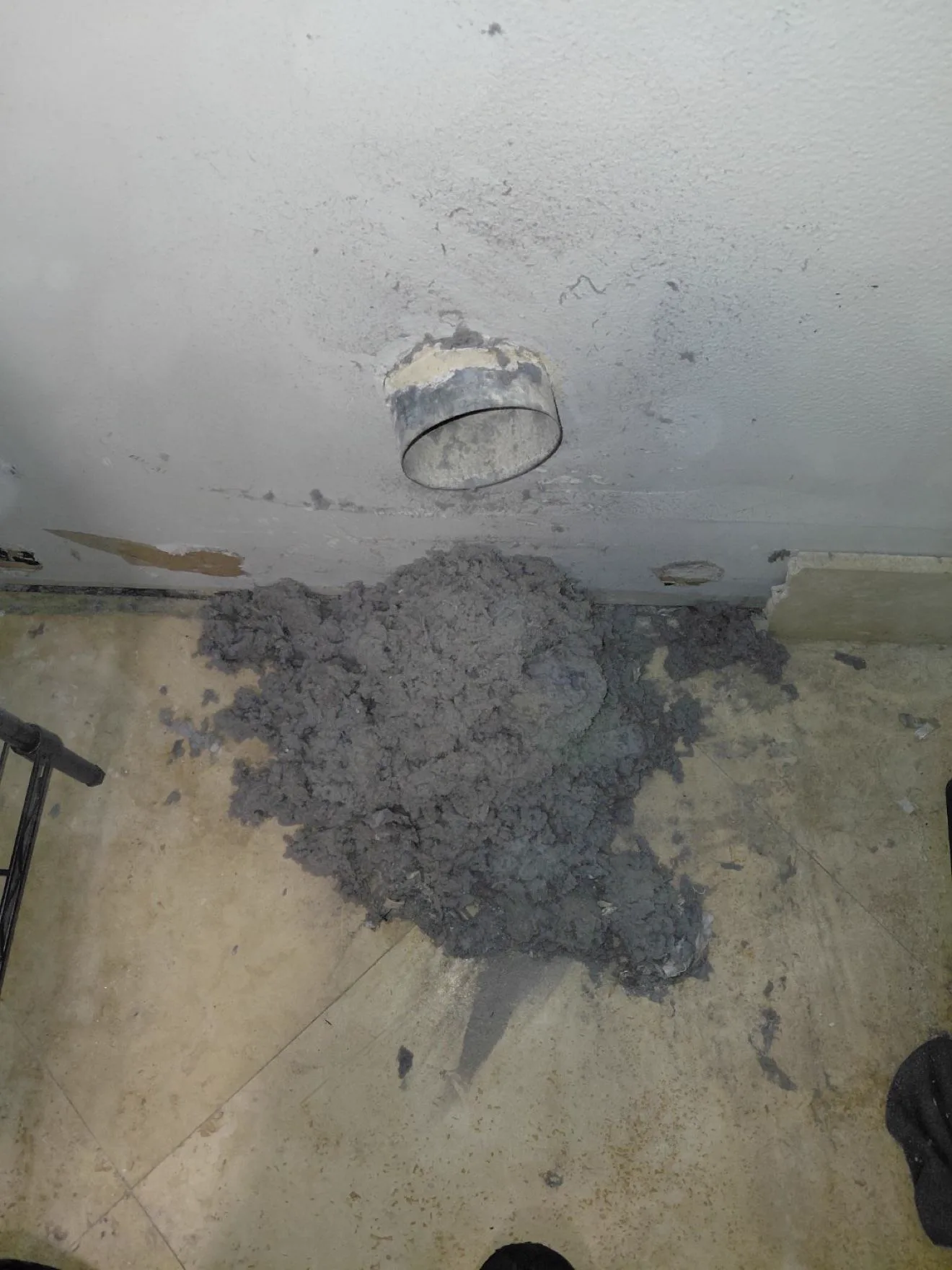
Your dryer vent is one of the most overlooked fire hazards in the home. Every load of laundry pushes hot, moist air — and highly flammable lint — through that vent. When lint builds up, you're one overheating cycle away from a very bad day.
The numbers are sobering
U.S. fire agencies attribute thousands of house fires every year to clothes dryers, with failure to clean the vent consistently ranked as the leading cause. Lint is essentially kindling: it ignites easily and burns fast.
Warning signs your vent is clogged
- Clothes take two or more cycles to dry.
- The dryer and laundry room feel unusually hot.
- You smell something burning when the dryer runs.
- It's been more than a year since the vent was cleaned.
- Little or no air is coming out of the exterior vent while the dryer runs.
Cleaning the lint trap isn't enough
The lint screen catches only a fraction of what your dryer produces. The rest coats the inside of the vent line — which in many homes runs a long path through walls or the attic before exiting outside. That hidden buildup is exactly what you can't reach yourself and exactly what catches fire.
What professional cleaning includes
A professional dryer vent cleaning clears the entire vent line from dryer to exterior exit, checks for crushed or disconnected sections, and verifies strong airflow at the end. Most appointments take under an hour — a small investment against a preventable fire.
How often?
Once a year for most households; more often if you do laundry daily or have a long vent run. If any warning sign above sounds familiar, don't wait for the calendar.
Frequently asked questions
How often should dryer vents be cleaned?
Once a year for most households; more often with daily laundry use or long vent runs.
What are signs of a clogged dryer vent?
Clothes needing multiple cycles, an unusually hot dryer or laundry room, burning smells, and weak airflow at the exterior vent.